

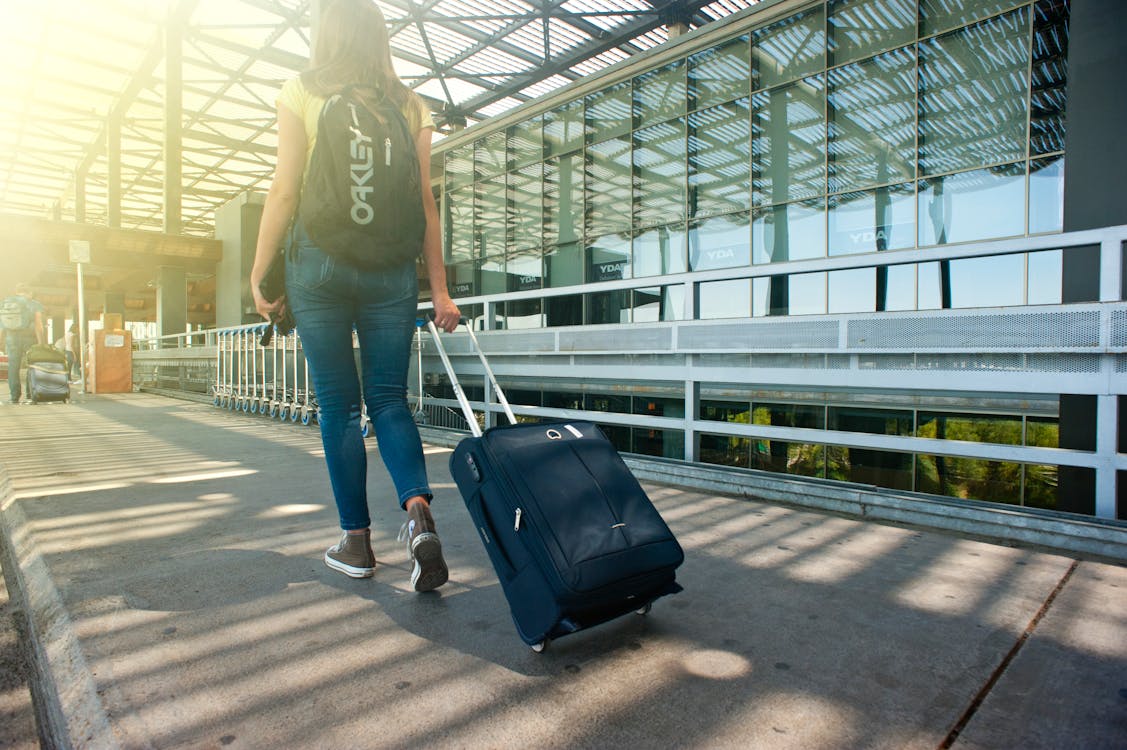
After a long period of quarantine and travel restrictions, we are finally happy that travel restrictions are slowly fading and traveling is steadily making a comeback in Kenya. In addition, what better way to celebrate this great change than by traveling. It is the best way to go to your dream destination for your vacation and visit people you have not seen in a long time.
It is important to know and understand that traveling is tiring and taxing on the body, especially for those traveling over a long distance. One tends to reach their destination exhausted and even jet lagged. This can make your vacation less exciting or even short, as some days must be spared in order for the body to rejuvenate itself and adjust to the new surroundings. In order to avoid this, some steps need to be taken, and these are some of the few practical tips on how to travel and arrive at your destination feeling fresh and relaxed;
- Prior to your flight, try to obtain a good night’s sleep, eat a light lunch, and engage in some mild exercise.
- Put on comfortable, roomy clothing and loose-fitting shoes.
- On lengthier flights, low cabin humidity can create dry throats, so it is important to drink lots of water.
- When feasible, stand up and stroll in the aisle to keep your blood flowing. By engaging in these activities, one can maintain blood flow and fend against diseases like DVT.
- Your body’s sleep cycles may be disturbed when you shift time zones, which can cause weariness, loss of appetite, and insomnia. Giving oneself a few days to unwind and get used to your new surroundings is crucial.
- Eat a small and nutritious before and just a very little amount during flight. By doing this, you can avoid the indigestion and discomfort that come from overeating and drinking.
- As soon as you get at your destination, spend as much time outside as you can. The body clock will slow down in the sunlight, enabling it to acclimate to the new time schedules you are experiencing.
- If you are prone to motion sickness while flying, keep your eyes on fixed objects or put pressure on your earlobes throughout takeoff, landing, and in the event of turbulence.


Comment (0)